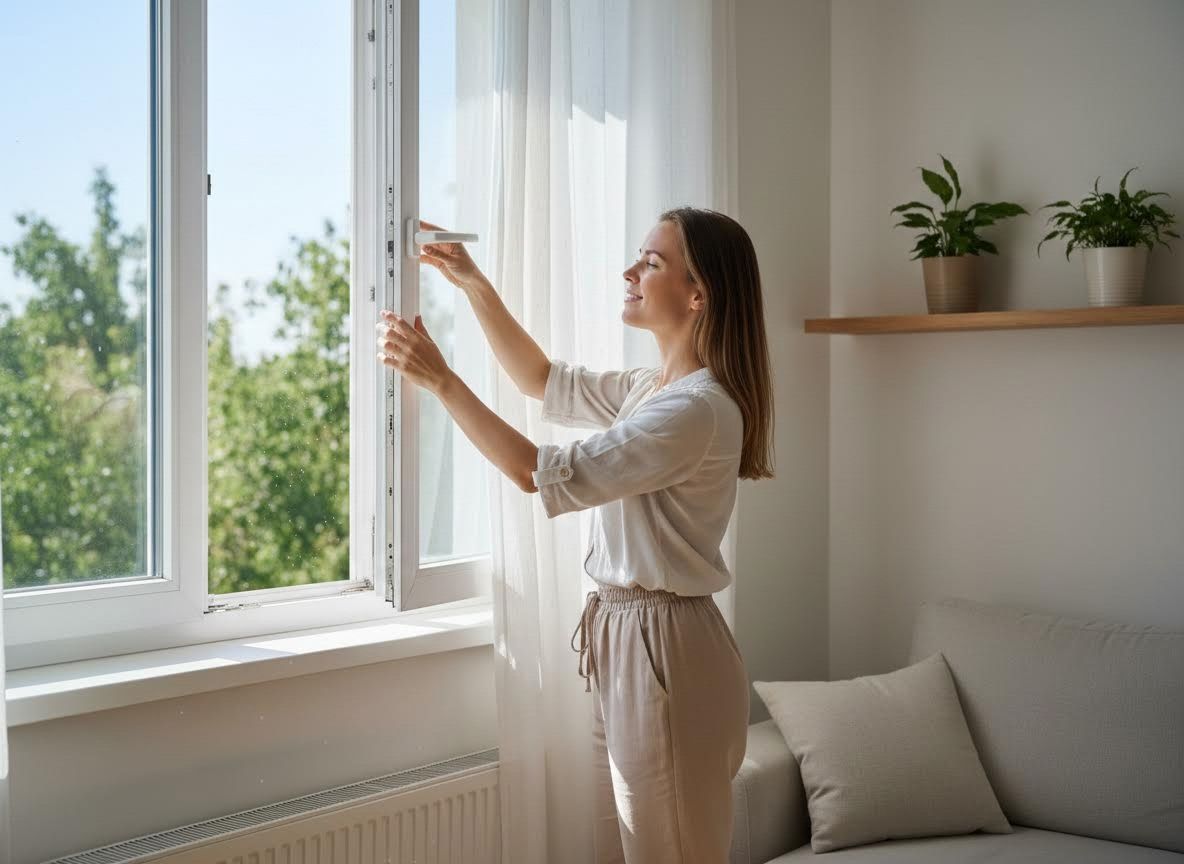
The air inside your home can often be more polluted than the air outside, impacting your family's health, comfort, and even your energy bills. Ensuring excellent indoor air quality is a vital aspect of creating a healthy living environment, and it’s something Total Comfort Heating and Cooling is deeply committed to helping our community achieve. As a family-owned HVAC company Denver trusts, we understand the unique challenges homeowners face in maintaining a comfortable and healthy home atmosphere. This blog post offers expert tips to help you breathe easier and improve the air quality within your living spaces.
Prioritize Regular HVAC System Maintenance
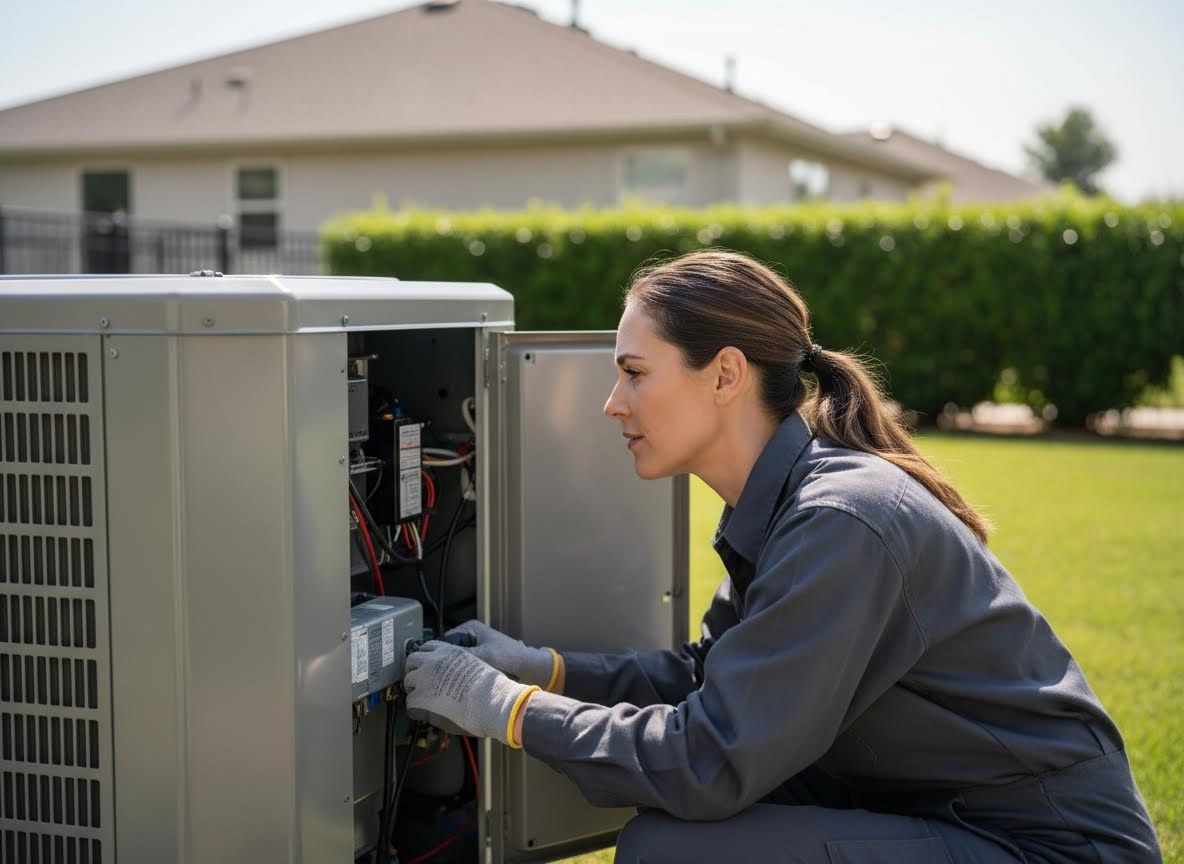
One of the most effective ways to ensure clean indoor air is through consistent and thorough maintenance of your heating, ventilation, and air conditioning (HVAC) system. Your HVAC unit is the heart of your home's air circulation, and if it's not functioning optimally, it can become a source of pollutants rather than a protector against them. Regularly changing your air filters is paramount; aim for at least every 1-3 months, especially if you have pets or allergies. Beyond filter changes, professional AC maintenance services include inspecting ductwork for leaks or blockages, cleaning coils, and ensuring all components are running efficiently. This not only improves air quality but also extends the life of your system and prevents the need for unexpected air conditioner repair.
Understand and Upgrade Your Air Filtration
Not all air filters are created equal. Understanding the different types and their effectiveness is crucial for improving air quality. Filters are rated by their MERV (Minimum Efficiency Reporting Value) rating, with higher numbers indicating better filtration of smaller particles. While a higher MERV rating means better filtration, ensure your HVAC system is compatible, as some systems may struggle with very dense filters. Consider upgrading to a pleated filter or even exploring whole-home air purification systems that use advanced technology like UV lights or HEPA filters to capture microscopic particles, allergens, and even some viruses and bacteria. This can significantly reduce airborne contaminants, providing cleaner air throughout your home.
Manage Humidity and Ensure Proper Ventilation
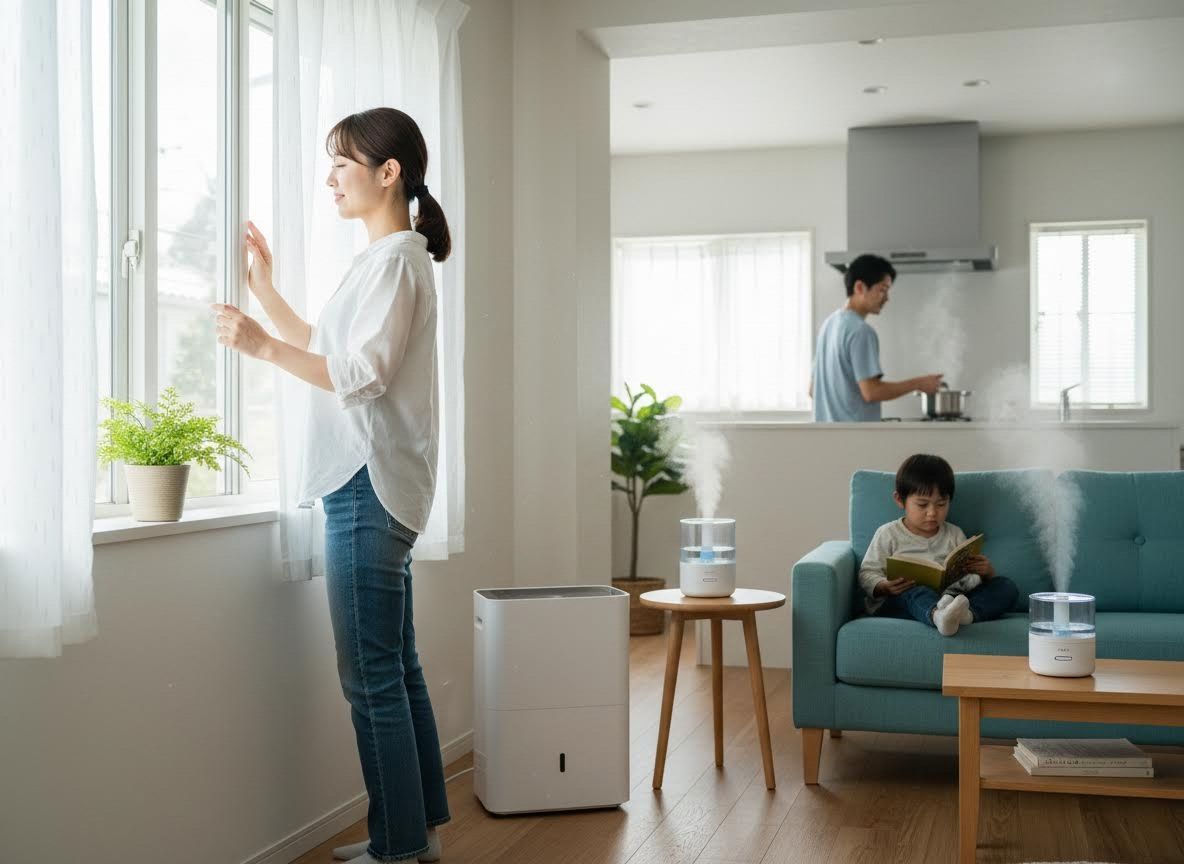
Humidity levels play a significant role in indoor air quality. Too much humidity can foster the growth of mold, mildew, and dust mites, which are common allergens and irritants. Conversely, air that is too dry can lead to respiratory discomfort and dry skin. Aim to keep indoor humidity levels between 30% and 50%. Dehumidifiers can help during humid summer months, while humidifiers can add moisture during dry winters. Proper ventilation is also key. Utilize exhaust fans in bathrooms and kitchens to remove moisture and cooking odors. Regularly opening windows for short periods, even in colder weather, can help exchange stale indoor air with fresh outdoor air. If you're experiencing persistent air quality issues, a professional assessment can identify areas where your ventilation may be inadequate, potentially requiring services like air conditioning repair Denver residents depend on for healthy air.
Improving your home's indoor air quality is a continuous process that yields significant health and comfort benefits for your family. By focusing on regular HVAC maintenance, choosing the right air filtration, and managing humidity and ventilation, you can create a healthier living environment. For expert guidance, professional installations, or any air conditioner repair needs, Total Comfort Heating and Cooling is here to help. Discover more about personalized indoor air quality solutions by reaching out to our certified team.