
When your furnace starts blowing cold air instead of warm, it can be a jarring and uncomfortable experience, especially during colder months. This common issue often signals that something is amiss within your heating system, leaving your home feeling chilly and your comfort compromised. Understanding the potential reasons behind this problem can help you decide on the best course of action to restore warmth. At Total Comfort Heating and Cooling, we understand the frustration this can cause and are here to help you identify and resolve these heating dilemmas efficiently.
Common Culprits Behind Cold Air
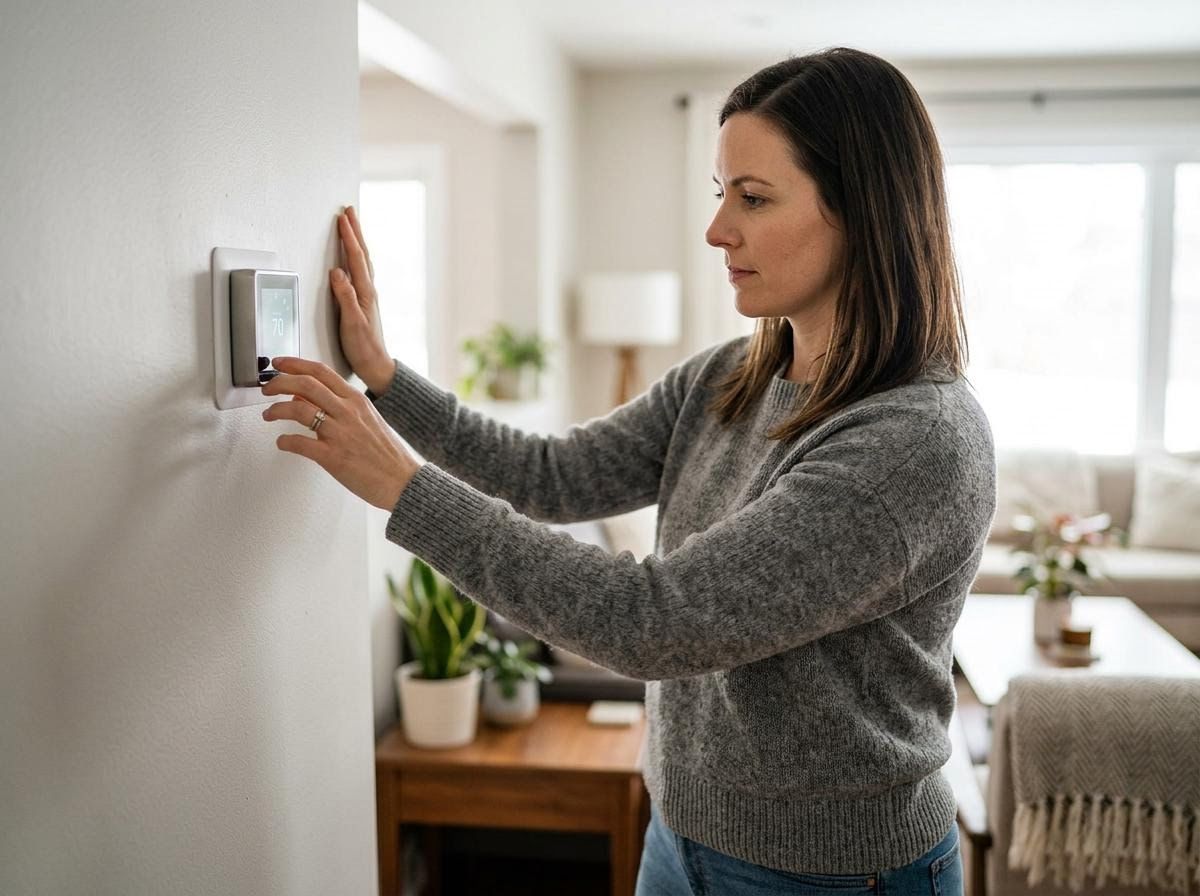
One of the first things to check if your furnace is blowing cold air is surprisingly simple: your thermostat settings. Ensure it’s set to “Heat” and not “Fan Only.” If it’s on “Fan Only,” the system will circulate air without heating it. For older furnaces, a pilot light that has gone out is another frequent cause. Without a lit pilot light, the gas won't ignite, meaning no heat is produced. Additionally, sometimes something as simple as blocked vents can make a room feel cold, even if the furnace is working elsewhere. Addressing these basic checks can sometimes provide a quick furnace blowing cold air fix without needing a professional.
Filter Issues and Blower Problems
A common reason for a furnace to blow cold air is a severely clogged air filter. A dirty filter restricts airflow, causing the heat exchanger to overheat and shut down prematurely as a safety measure. The blower fan might continue to run, circulating unheated air. Regularly replacing your furnace filter is a crucial part of routine maintenance and can prevent many heating issues. Furthermore, problems with the blower motor itself, which is responsible for circulating air, can lead to insufficient or cold air if it's not functioning correctly to distribute the heat. A proper furnace tune-up Aurora can often identify and rectify these underlying issues before they become major problems.
Ignition Failures and Heat Exchanger Concerns
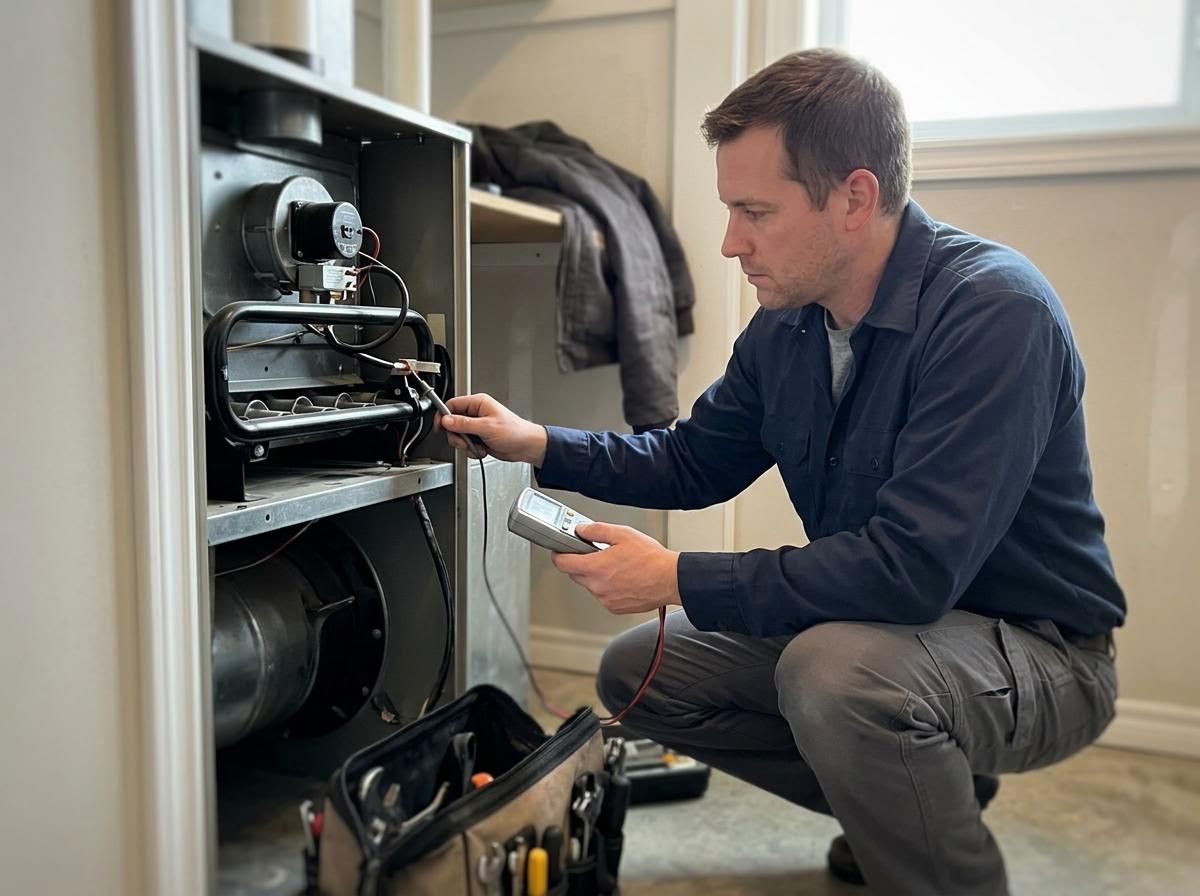
When basic troubleshooting doesn't resolve the issue, the problem might lie with the furnace’s ignition system or heat exchanger. A faulty igniter or flame sensor can prevent the furnace from lighting the gas and producing heat. If these components fail, the system might cycle on, but without a flame, it will only push cold air. More seriously, a cracked heat exchanger can be dangerous as it can allow carbon monoxide to leak into your home. This is a critical safety issue that requires immediate attention and often necessitates a professional assessment for emergency furnace repair Denver or even a complete furnace replacement Denver. These more complex issues definitely require the expertise of certified professionals.
The Need for Professional Intervention
While some cold air issues have simple solutions, many require the knowledge and tools of a professional HVAC technician. Attempting to fix complex furnace problems yourself can be dangerous and may lead to further damage or safety risks. When your furnace is blowing cold air and you've checked the obvious, it's time to call in the experts. Professionals can accurately diagnose the root cause, whether it's a minor repair or a significant component failure, and provide a reliable furnace blowing cold air fix. Many reputable companies offer same day heating service to restore your comfort quickly.
Experiencing a furnace blowing cold air can be a frustrating and potentially unsafe situation, but understanding the common causes can guide you toward a swift resolution. From simple thermostat adjustments to complex ignition system failures or the critical need for a furnace replacement Denver, professional insight is often invaluable. If you're facing a chilly home and need a reliable furnace blowing cold air fix, exploring professional heating services can provide the expertise and timely support required to ensure your comfort and safety. To learn more about maintaining your heating system or to schedule a service, we invite you to consult with the trusted team at Total Comfort Heating and Cooling.